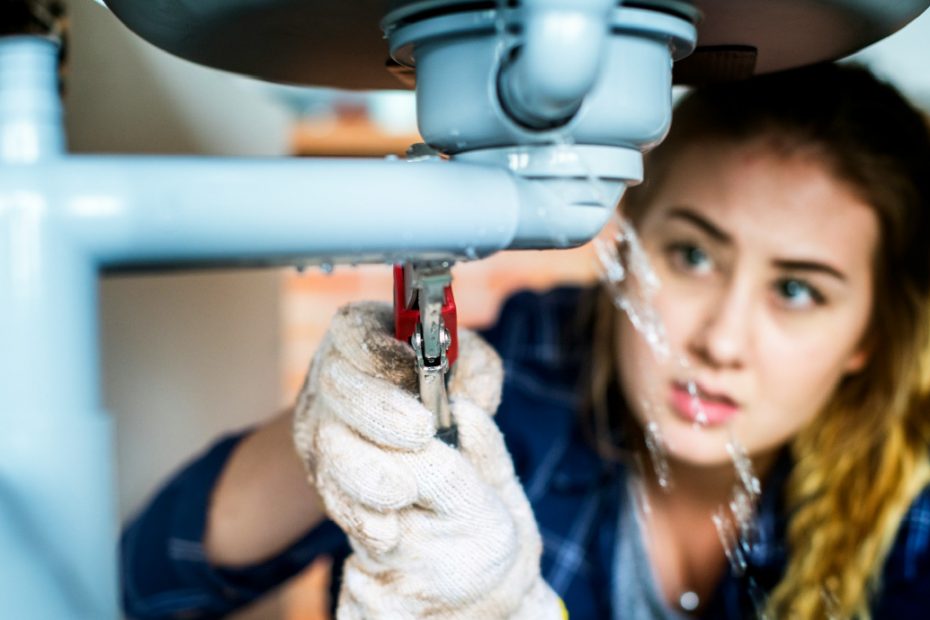
When Your Property Takes on Water
You come home to damp plaster, warped flooring, or a steady drip where there definitely shouldn’t be one. It’s annoying. It’s stressful. And it raises a fast, practical question: what now? If you’re a UK property owner facing water damage, the steps you take in the first few hours and days can make a real difference to your insurance claim. This guide explains how water damage claims work, what insurers look for, and how to avoid common mistakes – without jargon or panic.
Most water damage claims fail or drag on not because the damage isn’t covered, but because the process wasn’t handled cleanly. Evidence matters. Timing matters. And so does understanding what your policy actually says.
Let’s break it down.
What counts as a water damage claim under UK home insurance?
In plain terms, water damage usually means damage caused by an escape of water from something that’s meant to contain it. Think:
- Burst or leaking pipes
- Faulty appliances (washing machines, dishwashers)
- Overflowing baths or sinks
- Leaking water tanks or radiators
Storm-related water ingress or flooding can also cause water damage, but those claims often sit under slightly different policy sections. That distinction matters. We’ll come back to it.
What typically isn’t covered?
- Gradual leaks that have been happening for months
- Poor maintenance (for example, clearly corroded pipework)
- Wear and tear
Insurers expect properties to be reasonably maintained. If the damage looks slow, avoidable, or ignored, questions follow.
Sometimes uncomfortable ones.
Step one: stop the water damage getting worse
Insurers call this “mitigating further loss.” You can think of it as common sense with paperwork attached.
If it’s safe to do so:
- Shut off the water supply
- Turn off electrics if water is near sockets or wiring
- Catch drips, mop standing water, ventilate the space
You’re not expected to carry out permanent repairs straight away. You are expected to act reasonably.
Take photos as you go. Wide shots and close-ups. Before you move things if possible. This isn’t about theatrics – it’s about showing cause and effect.
A quick phone video can help too.
Step two: check your policy (yes, actually read it)
Before you call your insurer, spend ten minutes with your policy documents. Look for:
- “Escape of water” wording
- Any exclusions related to gradual damage
- Your excess amount
- Whether trace and access is included
Trace and access cover pays for finding the source of the leak and repairing the damage caused by the investigation (lifting floors, opening walls). It does not usually pay to fix the faulty pipe itself.
This catches people out more often than you’d think.
If your excess is £500 and the damage is minor, a claim may not make sense. That’s not defeatist. It’s strategic.
Step three: notify your insurer promptly
Most policies require you to report water damage claims as soon as reasonably possible. That doesn’t mean minutes. It does mean days, not weeks.
When you call or submit a claim online, stick to facts:
- What happened
- When you discovered it
- What areas are affected
- What immediate steps you took
Avoid speculation. Avoid blame. If you’re unsure when the leak started, say so.
You’ll usually be given a claim reference and next steps. This may include an adjuster visit or approved contractors.
What insurers look for (and why claims stall)
Insurance decisions are built on three pillars:
- Cause – Was the damage sudden and accidental?
- Timing – Was it reported promptly?
- Condition – Was the property reasonably maintained?
Problems arise when:
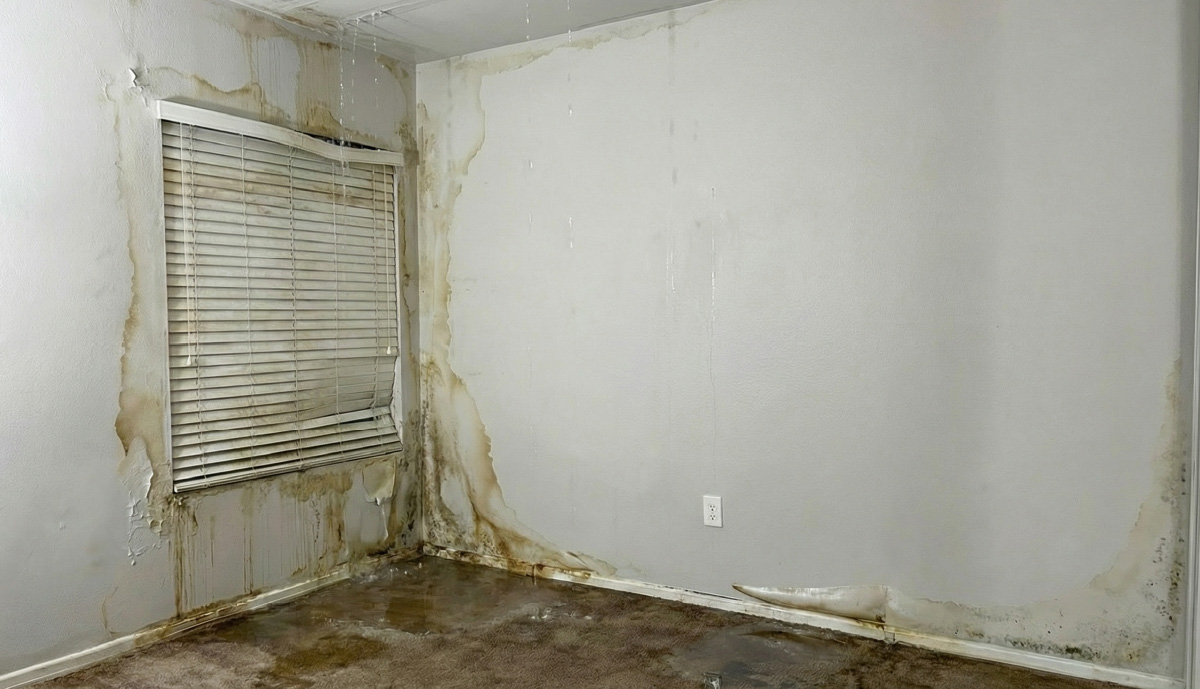
- Damage suggests a long-term leak
- There’s mould or rot inconsistent with a recent escape of water
- Repairs were carried out before evidence was documented
This doesn’t mean your claim will fail. It does mean more questions, more time, and sometimes partial settlements.
None of this is personal. It’s procedural.
Temporary fixes vs permanent repairs
You can arrange emergency repairs to prevent further damage. Insurers expect that.
Permanent repairs are different.
Unless your insurer tells you otherwise:
- Don’t rip out kitchens or bathrooms immediately
- Don’t dispose of damaged items without photos
- Don’t assume reimbursement without approval
If you need to proceed urgently (for safety or habitability), document everything and keep receipts. Then tell your insurer why you had to act.
Clear communication beats hindsight explanations every time.
How long do water damage claims take?
It depends. That’s the honest answer.
Simple claims can resolve in a few weeks. More complex cases – especially those involving trace and access or disputed causes – can take months.
Delays often come from:
- Waiting for contractor reports
- Drying time (especially for structural moisture)
- Back-and-forth over scope of repairs
Chasing politely but consistently helps. Keep notes. Dates, names, summaries.
This is admin-heavy, not adversarial.
Common questions property owners ask about water damage claims
Will my premiums go up?
Possibly. Insurers look at claims history, not just fault. One claim isn’t usually dramatic. Several close together can be.
What if I caused the damage?
Accidental damage caused by you is often still covered. Negligence is a greyer area. Again – facts first.
Can I choose my own contractor?
Sometimes. Some policies prefer approved suppliers. If you want your own, ask before work starts.
What about tenants or leasehold flats?
Responsibility can be shared or layered. Buildings insurance may apply. Contents insurance may apply. Clarify early.
Flooding vs escape of water (a quick distinction)
Flooding usually means water from outside the property – heavy rain, rivers, surface water.
Escape of water comes from internal systems.
Why it matters: flood cover can be optional, limited, or excluded depending on risk area. Don’t assume one equals the other when you report the claim.
Describe what happened. Let the policy determine the category.
A quiet word on prevention
This isn’t about blame. It’s about leverage.
Regularly checking pipework, sealing, and appliances won’t guarantee no claims – but it reduces disputes. Insurers are more confident when maintenance is evident.
Photos taken before anything goes wrong are surprisingly powerful.
Your next step
If you’re dealing with water damage right now, slow it down, document it, and check your policy before you react.
If you’re not – but you own property – use this as a prompt to understand your cover before you need it.
Water damage claims aren’t about knowing the right buzzwords. They’re about clarity, timing, and a paper trail that makes sense.
Still eager for more information? Visit https://www.ilauk.co.uk